
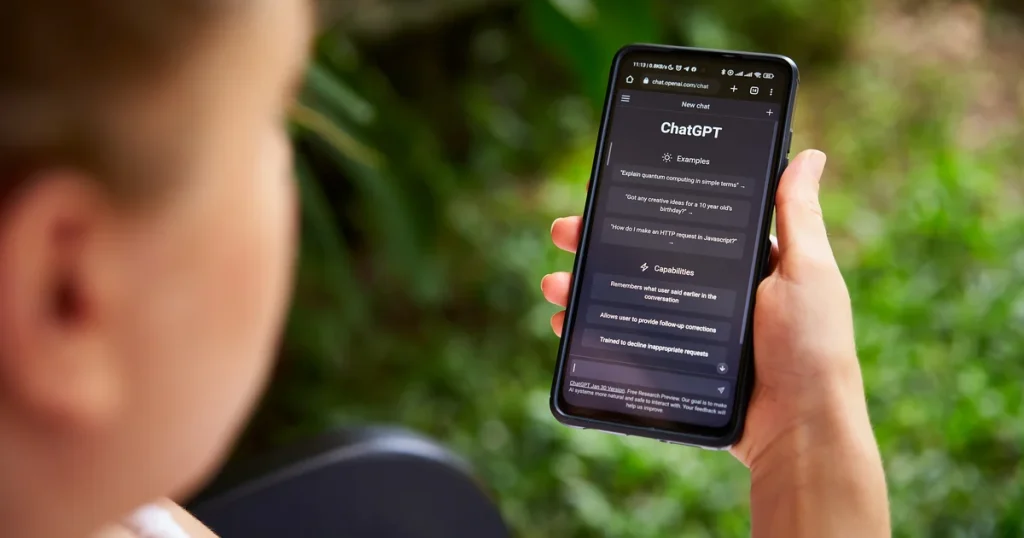




OpenAI has put a second, far more expensive seat on top of ChatGPT Business. The Premium seat costs about $177 per user per month, or about $141 on annual billing, against roughly $35 and $28 for the Standard seat that until now was the only option, according to OpenAI.
Those figures are conversions. OpenAI lists and bills in US dollars, so what a local workspace actually pays tracks the exchange rate rather than the number on the page. Either way it is a five times step, and it buys five times the usage allowance plus the removal of the five hour limit Standard users run into. Owners can mix both seat types in one workspace.
What the Premium seat buys
The difference is capacity, not capability. Premium carries five times the usage allowance of a Standard seat and removes the five hour usage limit entirely, replacing it with weekly resets that are easier to plan around. Workspaces can also buy extra shared credits on top when a project needs them.
OpenAI frames it as a tier for power users, and points to inventory management, marketing campaign development, business performance analysis, customer experience work and product development as the jobs customers said they were running out of room on. It is the same product that ChatGPT Work turned from a chatbot into something that completes tasks, which is exactly the kind of use that burns through an hourly cap.
Two dates worth writing down
There is a launch promotion and it closes soon. The first 10,000 eligible ChatGPT Business customers who join the waitlist get about $141 in workspace credits for each Premium seat they add, up to five seats, or roughly $707 in total. The window runs through 20 August.
The second date matters more for anyone already paying. From 19 August, seats added to an existing Business plan are charged pro rata immediately rather than at the next billing cycle. Adding people mid month stops being free until the cycle turns, which changes how teams should phase a rollout.
Why Australian businesses should pay attention
The arithmetic is blunt. For a team of ten heavy users, the gap between Standard and Premium is about $1,415 a month, or close to $17,000 a year. That is a budget line rather than a rounding error, and it arrives in a market where firms have spent the past year trying to get AI spending under control.
Because the billing sits in US dollars, that figure is a moving target rather than a fixed commitment. On ten annual seats, a one cent move in the Australian dollar shifts the yearly bill by roughly $237 in either direction. Worth modelling before signing an annual term, which is where the discount sits and where the currency exposure runs longest. Our breakdown of what AI actually costs covers the same trap in consulting budgets.
It also sharpens a comparison local teams are already running. Anthropic has since cancelled the 50 per cent rise it had planned for Claude Sonnet 5 on 1 September, and Australia is the heaviest user of Claude per head in the world. Whichever vendor a business leans on, the cheap tier is quietly becoming the entry point rather than the norm.
Where this leaves the cheap tier
The interesting part is not the Premium price. It is what happens to Standard. A tier that was the entire product a week ago is now the floor, defined partly by a five hour limit that the new tier exists to remove. Nothing about Standard got worse, but the ceiling above it is now visible in a way it was not before.
OpenAI is doing this while building revenue ahead of a planned public listing, as Yahoo Finance reported, and vendors rarely add a premium tier without expecting the mix to drift upward over time. For Australian buyers the practical step is dull and effective: measure who actually hits the five hour ceiling before buying Premium for a whole team, because the answer is usually fewer people than it feels like.



