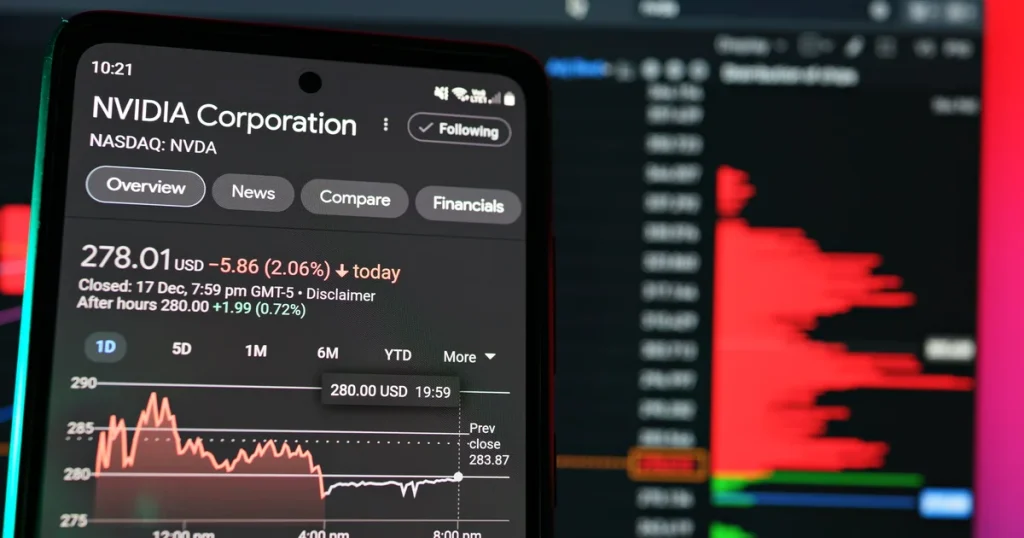




Nvidia is in talks to become the anchor investor in Anthropic’s stock market debut, putting in as much as $13.9 billion, according to a Reuters report that neither company has commented on. The float is targeting up to $139 billion at a valuation of roughly $2.8 trillion, and is expected to price before the United States midterm elections in November.
If it lands on those terms it is the largest initial public offering ever attempted. Saudi Aramco raised about $41 billion in 2019. Anthropic is aiming at more than three times that.
What NVIDIA is actually buying
Nvidia already had up to $13.9 billion committed to Anthropic through separate arrangements, so the anchor position would stack on top of an existing relationship rather than start one. Anthropic told investors its quarterly revenue passed $16 billion in August, fourteen times the same quarter a year earlier, according to The Next Web.
Anthropic was valued at about $1.35 trillion in May after its last private raise, so the float price being discussed is roughly double that in four months. Anchor investors matter in an offering this size because they signal to the rest of the book that the price is defensible, which is exactly why a chip supplier taking the role raises eyebrows.
The talks are preliminary and the terms could change. Anthropic pushed the listing back once already, and the prospectus was expected this month.

The loop regulators are watching
Nvidia sells Anthropic the chips, is now discussing funding the company that buys them, and in some deals of this shape leases hardware back to the customer as well. The Bank for International Settlements has warned that the terms of arrangements where one supplier plays all three roles are rarely disclosed clearly enough for outsiders to judge.
It is the same pattern as Nvidia’s Hugging Face purchase earlier this month, and it is why the word circular keeps appearing in coverage of Nvidia’s results. Revenue that comes back from companies you funded is real revenue, but it is not the same signal as revenue from an unrelated buyer.
Three days before the Anthropic talks were reported, Nvidia returned as an investor in the largest funding round ever raised by a European technology company. The same name keeps appearing on both sides of the ledger, and the frequency is the story rather than any single deal.
Why Australian businesses should care
Most Australian operators will never read the prospectus, but plenty of them now run something important on Claude. A listed Anthropic answers to public shareholders every quarter, and that changes the incentives around pricing, model retirement dates and how much notice customers get before either moves.
There is a second exposure that is easier to miss. Australian superannuation funds hold Nvidia through global index allocations, so the question of whether Nvidia’s growth is partly funded by Nvidia is not an abstract one for domestic savers. It is worth asking how much of a vendor’s revenue comes from parties it has also invested in.
The practical step is unglamorous. Know which models your workflows depend on, know what your contract says about notice periods and price changes, and have a tested fallback. That is the same discipline any serious AI advisory engagement starts with, and it costs nothing to do before the market decides anything.
Before the prospectus lands
Nothing here is confirmed. Neither Nvidia nor Anthropic has commented, the figures come from people briefed on talks that are still moving, and a listing timed to land days before an American election has more than one way to slip.
What is already settled is the direction. The companies that build the models, the company that builds the chips and the capital funding both are consolidating into a smaller group than they were a year ago, and Australian buyers are downstream of all of it.