




Anthropic has launched the Anthropic Cyber Mission, which it describes as a long term commitment to securing the systems everyone depends on. The first two programs focus on critical infrastructure and open source software, according to Anthropic.
The move turns months of security work with partners into a formal program. It also puts more of Claude’s ability to find software flaws in the hands of the people who fix them, rather than the people who exploit them.
Help for critical infrastructure
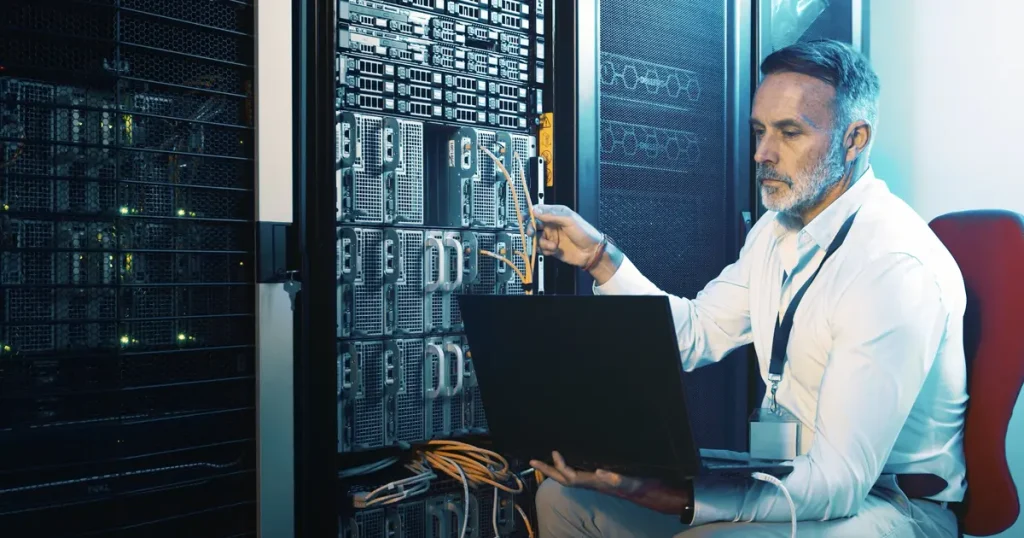
The Critical Infrastructure Defense Program brings frontier Claude models, on site engineers and threat research to trusted providers that protect operational technology, such as power grids, water systems and transport networks. It starts with a small group of providers. Security vendors, system integrators and equipment manufacturers can register their interest.
There are eleven founding partners: Accenture, Booz Allen, CrowdStrike, Deloitte, Dragos, Hitachi, Insane Cyber, Nozomi Networks, Palo Alto Networks, PwC and Rockwell Automation. Anthropic says several are already using Claude to find and help fix vulnerabilities. Since June, Anthropic has also offered Claude models and technical support to more than half of all US states through a separate public sector program.
Free scans for open source projects
The second program, OSS Scanner, is a free, opt in service for core maintainers of critical open source projects. It runs periodic scans with Anthropic’s most capable models. Each report includes a proof of concept showing how a bug could be exploited, an explanation and a suggested fix where one exists. Anthropic says the idea was inspired by Google’s OSS Fuzz.
There is a catch. The reports are written by the model and sent without human review. Anthropic expects a true positive rate above 90%, and warns that some reports will contain mistakes, such as the wrong severity rating. Projects that cannot keep up with the volume will keep receiving human verified disclosures instead.
Why the timing matters
Anthropic says partners in its earlier Project Glasswing scanned hundreds of widely used open source projects, and that months often passed between a bug being found and fixed. Earlier the same week, Glasswing was folded into an expanded Cyber Verification Program that security teams of any size can apply to for defensive work. Maintainers can also apply for free Claude Max subscriptions.
Attackers are not waiting. Last month we reported how one hacker used AI agents to breach online retailers, compromising at least 27 of them in five days.
Why Australian businesses should care
The program is centred on the United States and does not mention Australia. Even so, several founding partners, including Deloitte, PwC, Accenture, CrowdStrike and Palo Alto Networks, work with Australian organisations, so these tools are likely to reach local operators through them. Operators covered by the Security of Critical Infrastructure Act should ask their security partners how they plan to use them.
For everyone else, the open source side matters more. Almost every business runs open source code somewhere, so faster fixes upstream only help if you install them. Keep dependencies up to date, ask vendors how they use AI in security testing, and write the rules for AI use into your AI policy. It is the kind of groundwork we cover in our AI consulting work.
Giving defenders the same tools
AI models can now find flaws faster than most teams can patch them, so the race is about who puts that ability to work first. Anthropic’s Cyber Mission tilts more of it towards defenders. Whether it makes systems safer will depend on how quickly the fixes it uncovers reach the software businesses actually run.



