
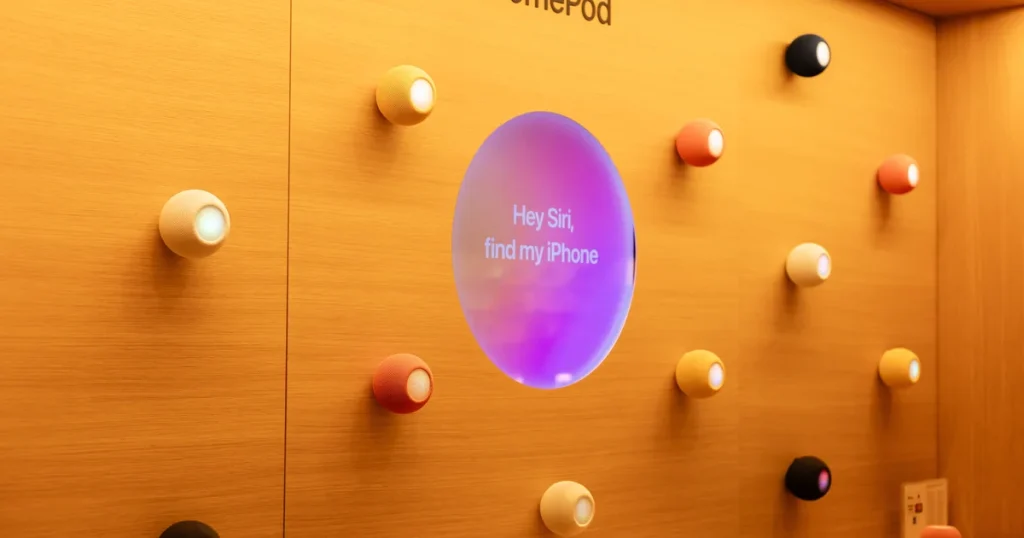




Apple is now taking orders in Australia for three home devices built around Siri AI, the rebuilt version of its voice assistant. The new Apple TV 4K and a smart display called HomeView arrive on 13 November at $449 each, and the HomePod mini 2 lands on 30 October for $229, according to Apple Australia.
Australia is one of eight countries where Siri AI works in English from launch, alongside the US, the UK, Canada, India, New Zealand, Singapore and South Africa. The European Union misses out for now: Apple will not even sell HomeView there. For once, Australians are at the front of the queue for an Apple AI feature.
What Siri AI actually changes
Apple calls Siri AI an entirely new version of Siri, powered by the next generation of Apple Intelligence. It holds a conversation, answers general knowledge questions and, when paired with a compatible iPhone, draws on the owner’s Messages, Calendar and apps to give personal answers.
On the Apple TV that means asking Siri to play the show a friend recommended, or checking whether a series suits a 15 year old while it plays. Conversations that start in the living room carry on in the Siri app on an iPhone, iPad or Mac.
HomeView is the device to watch
HomeView is Apple’s first smart display: a 7 inch screen on a speaker base that sits on a bench or mounts on a wall. It recognises up to six people by their face and only shows someone’s messages and calendar when it sees them and their recently unlocked iPhone is nearby.
It also works as a dashboard for the home. It can show up to nine camera feeds at once, control lights and locks by voice, and send an alert to your phone when it hears a smoke or carbon monoxide alarm. Wall mounts from Schneider Home start at $94.95.
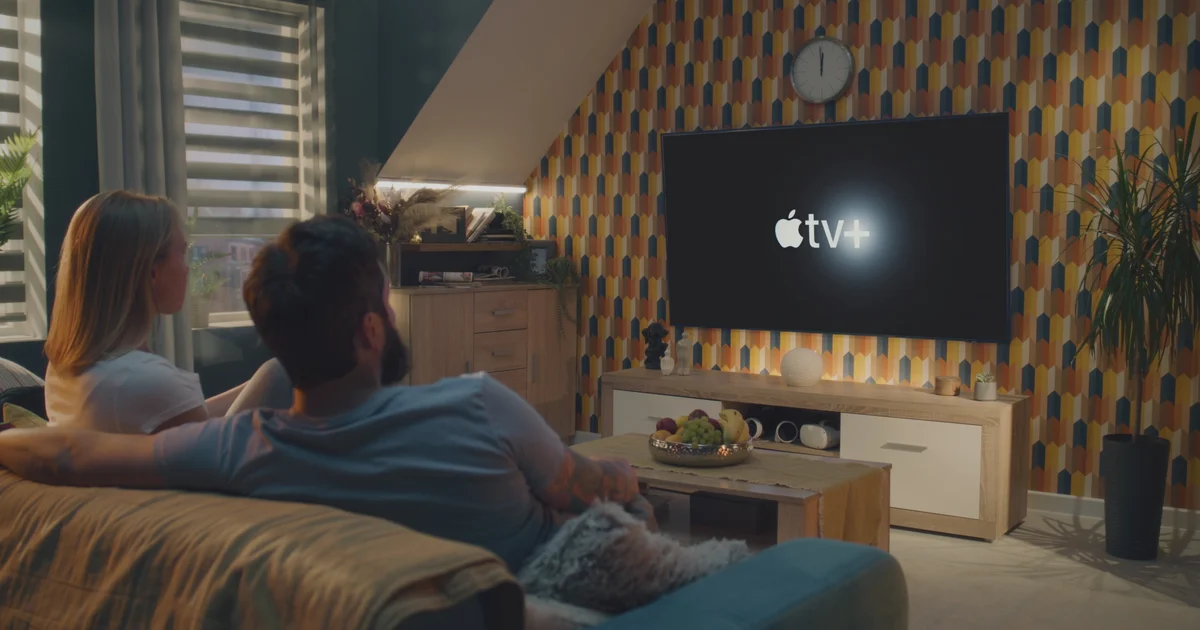
What Apple TV and HomePod mini get
The new Apple TV 4K adds three far field microphones, so Siri works hands free even with the volume up. Apple says its A19 chip is up to 50 per cent faster on the processor than the previous model, and the remote can now be found with Find My. Siri AI on Apple TV is labelled a beta, and it also reaches existing Apple TV 4K models from the second generation onwards, Apple confirmed.
HomePod mini 2 comes in five colours and can pair with the new Apple TV for four speaker surround sound. The catch is that Siri AI is not on it at launch. Apple says it will arrive in English, including in Australia, through a free software update at a later date.
What Australian businesses should weigh up
A $449 screen that answers questions, runs video calls and shows cameras will tempt small offices, clinics and shopfronts. Facial recognition is the part to check first. Under the Privacy Act 1988, biometric data used to identify people is sensitive information, so a HomeView in a shared workspace needs a clear policy on who is enrolled and why.
Apple says Siri requests are processed on the device or in its Private Cloud Compute, where data is neither stored nor accessible to Apple. Australians will also wait for Apple’s own doorbell, cameras, lock and thermostat, which launch only in North America and the UK, so local setups will rely on Matter accessories for now.
The race for the assistant in the room
Siri AI arrives as Meta pushes its Muse assistant and a month after code in iOS 27 showed Siri could run Claude or ChatGPT. Every major platform now wants its assistant to be the voice people talk to at home.
For businesses that serve customers by phone or chat, that raises the bar. People who get natural spoken answers in their kitchen will expect the same from a support line, which is where well designed voice and chat assistants start to matter.



