




Australia’s plan to let people switch off the algorithm on their social media feeds has drawn a formal objection from Washington. The US embassy in Canberra used the public consultation on the draft law to warn that it could open the door to censorship of particular viewpoints, according to reports on 23 September.
The Prime Minister is not backing down. Anthony Albanese said the plan is about giving people control rather than government, and that Australia would engage constructively before the bill is finalised.
What the draft law would require
The measure sits inside the draft Digital Duty of Care legislation released for consultation on 8 September, according to the Prime Minister’s announcement. Users aged 16 and over would choose between a feed ranked by the platform and one limited to friends and creators they follow, and platforms would have to notify new and existing users of that choice.
The same draft adds protections for under 18s against addictive design and harmful content, gives the eSafety Commissioner new removal powers over nudify apps, and sets penalties of up to $109.2 million. The government says it intends to introduce the bill to Parliament this year.
What the US is objecting to
The embassy’s submission raised serious concerns about the goal of the framework. It argued that vague definitions of harm could be used to suppress particular views, and that design rules imposed on algorithms in Australia could shape what users see in other countries too.
It also warned that platforms demoting content in advance to avoid fines could cut the reach of independent journalists and minority viewpoints. None of that has shifted the government’s position so far. The embassy made its case through the formal consultation, the same channel the government opened to platforms, industry bodies and civil society groups.
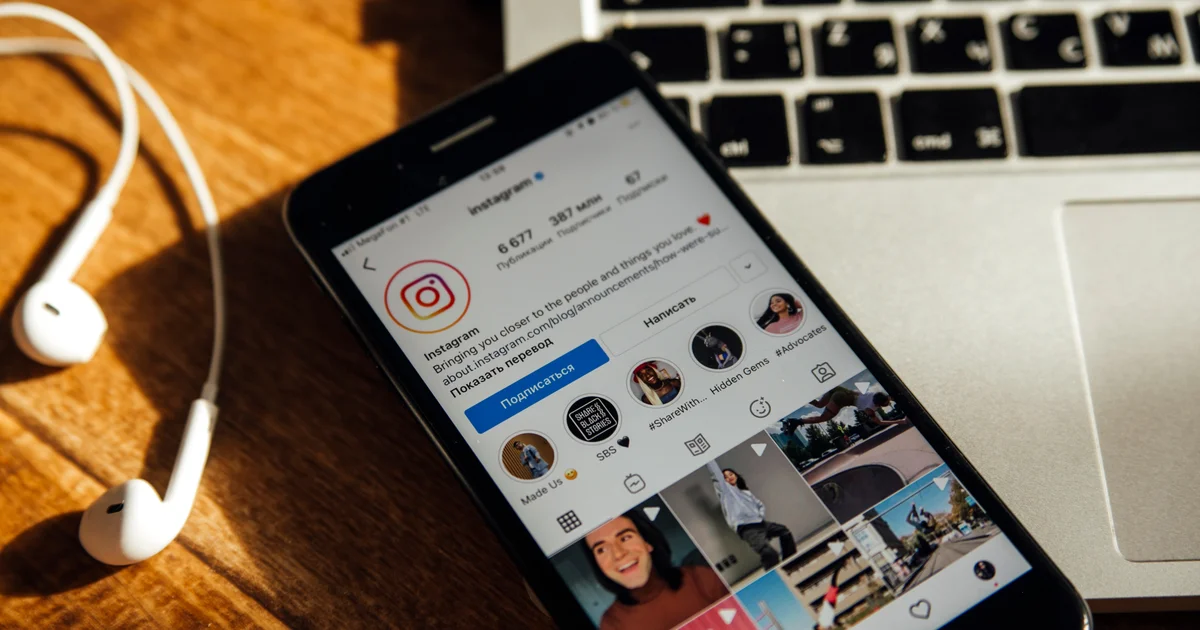
Albanese says the switch belongs to users
Albanese framed the dispute as one about who holds the switch. ‘This is not about giving government control, it is about giving people control,’ he said when the plan was announced, and he repeated the point this week while promising to stand up for Australian interests.
The tension is real either way. An opt out that most users never touch changes little, while one that many users take up would reshape how content travels on the largest platforms in the country.
Why Australian businesses should care
Any business that relies on organic social reach should read this closely. A follow only feed shows people the accounts they chose, which rewards brands with a loyal audience and hurts those that grow by landing in front of strangers. If a meaningful share of users switch, paid and owned channels carry more of the load.
Discovery does not disappear, it moves. People who stop scrolling a ranked feed still search, and more of that searching now happens inside AI assistants, which is why generative engine optimisation belongs in the same planning conversation as social.
For marketers reviewing their stack, our guide to AI marketing tools in Australia covers the options that do not depend on a platform’s ranking choices. Brands that already own their audience, through email lists and search visibility, have the least to lose if feeds change.
A test of who writes the rules
The objection lands days after Albanese sat down with Tim Cook to set out what Australia expects from global technology companies, which we covered in our report on that meeting.
Whether the bill survives consultation intact will say a lot about how much room a middle power has to regulate platforms built elsewhere, and how far Washington is prepared to push back when it tries.